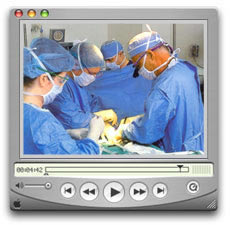
Tubal Ligation Reversal

Chapel Hill Tubal Reversal Center.
Showing posts with label tubal ligation. Show all posts

Thursday, March 31, 2011

Essure Procedure Reversed

Essure reversal baby
The first Essure reversal baby's birth occurred on February 8th, 2011 following removal of Essure micro-inserts and bilateral tubouterine implantation performed by Dr. Berger and Dr. Monteith at Chapel Hill Tubal Reversal Center. The baby's mother, Michelle S. from Parker, Colorado writes, "We are so excited that we have our Essure Reversal baby that we never thought we could have. She is just everything that we had wished and prayed for. Thank you for making our dreams come true and giving us our sweet baby girl."

Chapel Hill Tubal Reversal Center in Chapel Hill, North Carolina, announces the birth of a baby born following successful completion of sterilization reversal of the Essure procedure, previously considered a permanent form of female birth control.

Julia Smith, RN, ASCA, Nurse Administrator at Chapel Hill Tubal Reversal Center posted:

Tubal Reversal Surgeons successfully reverse sterilization procedure.

FOR IMMEDIATE RELEASE
March 30, 2011

(Chapel Hill, NC) – Chapel Hill Tubal Reversal Center in Chapel Hill, North Carolina, announces the birth of the first baby born following successful completion of sterilization reversal of the Essure procedure, previously considered a permanent form of female birth control.
Essure Procedure
Three months following her successful Essure reversal procedure at Chapel Hill Tubal Reversal Center, Michelle, a patient of Dr. Gary Berger and Dr. Charles Monteith, became pregnant and gave birth to her baby Elizabeth on February 28th, 2011. "Essure does not have to be permanent and Essure removal and reversal are possible” explains Dr. Berger. “Michelle and her husband, Harrison, were willing to travel from Colorado to our tubal reversal center in Chapel Hill, North Carolina because of our experience as tubal sterilization reversal specialists.”

The Essure procedure involves placing a flexible coil or micro-insert into each fallopian tube at the junction of the uterus and the tube. Once in place, over a 3-month period, scar tissue grows into the coils blocking the tubes to prevent the sperm from fertilizing the egg. According to Conceptus, Inc., the manufacturer of Essure, Essure sterilization is permanent and irreversible due to this scarring. The procedure Dr. Berger and Dr. Monteith used to reverse the Essure method involved cutting the devices out of the uterine muscle and fallopian tubes and then implanting the remaining fallopian tube segments into the uterine cavity through a new opening in the uterus. This procedure is called tubouterine implantation.

Since Essure has only been available since 2002 – and most women who have had this sterilization procedure do not desire or seek reversal - there is currently not enough data on the outcomes of Essure reversal to provide pregnancy statistics. The tubal reversal surgeons at Chapel Hill Tubal Reversal Center, however, have subsequently performed additional Essure reversals and several other women are currently pregnant and due to deliver babies.

Chapel Hill Tubal Reversal Center is the only facility in the United States that is limited specifically to the practice of tubal reversal surgery. Additional information regarding Essure sterilization reversal at Chapel Hill Tubal Reversal Center, including profiles for Dr. Berger and Dr. Monteith, can be found on the website at www.tubal-reversal.net.

Wednesday, February 9, 2011

Tubal Reversal Success Rates

Tubal reversal success depends on two main factors the type of tubal ligation and the age of the woman at the time of tubal reversal surgery.

The tubal reversal success rate can be as high as 80% for women who are under the age of 30 and also for women who have had tubal clip or tubal ring type tubal ligations.

The tubal reversal success can also be as high as 30-50% for women over the age of 40 or those who have had unknown types of tubal ligations. Even among women over the age of 40 or women with unknown types of tubal ligations approximately 1 out of 3 women will become pregnant.

More extensive information about the chances of tubal reversal success can be viewed on the website of the reversal center.
 
Tubal reversal success rates can be impressive when patients choose the best tubal reversal doctors in the United States. The success rate for tubal reversal can be as high as 80% for certain groups. Women interested in determining if they are a candidate for tubal reversal surgery and what their reversal success rate may be are encouraged to review the pregnancy statistics on the website of Chapel Hill Tubal Reversal Center and to call and inquire about their chances of tubal reversal success.

Source: http://www.tubal-reversal.net/blog/2011/tubal-ligation-reversal/tubal-reversal-success-rate.html

Tubal Ligation and Reversal Facts


If you have ever wondered if you are a candidate for tubal reversal surgery then you should send the operative report of your tubal ligation to Dr. Berger and Dr. Monteith for review.


You can also call (919) 968-4656 for a free Tubal Reversal Nurse Consultation.

Sunday, February 7, 2010

Tubal Ligation Side Effects

Are you suffering from tubal ligation side effects? Of course, first off you would have to have had your tubes tied for this to be the cause of what is happening to you. As we can assume you wouldn't be questioning these things being side effects of tubal ligation if you hadn't had your tubes tied, then we can proceed with the knowledge that you did indeed have a tubal.
So what are these side effects you may be suffering from? While many women complain of much heavier bleeding, severe cramping, fatigue, loss of libido and hot flashes, these are not the only symptoms you may suffer. So just because yours doesn't fall in that list doesn't mean it's not one of the side effects of tubal ligation.

If you have gone to your doctor complaining and questioning your symptoms and that they may be related to having your tubes tied, you might have been met with skepticism. You might be told that your body is just getting older or these problems are a result of the stress in your busy life. Many women have been told flat out that there are no side effects to tubal ligation and that they need to seek counseling or take medications for depression.

However, there are the doctors who believe that the side effects of tubal ligation are really nothing more than what happens because a woman has gone off the birth control pill. Maybe that's the case for some of the women. The pill has been regulating their hormones, they get their tubes tied, and go off birth control pills only to no longer have it regulating their hormones which causes some changes to their bodies.

The problem with that assumption is the many, many women who suffer from tubal ligation side effects and had a tubal at or right after the birth of their last child. On the Chapel Hill Tubal Reversal Center message board, you can find case after case of this. This means going off birth control pills is not the cause of their tubal ligation syndrome.

Birth control pills can be the answer to these symptoms for some women. One woman's doctor finally prescribed the pill for her and told her that most women end up on birth control after their tubal in order to regulate their hormones. But that's not the only alternative.
The other alternative is having a hysterectomy. One source says that women who have had a tubal are over 3 times as likely to end up with a hysterectomy later on. Even then, you will suffer some other effects taking this course such as going through menopausal symptoms.

A last alternative is a ligation reversal. If you should choose this course, you will want to find a doctor or facility where ligation reversal is all that is done. After all, if you have cancer you want a cancer specialist taking care of you, not one who splits his time and knowledge into other fields.
The Chapel Hill Tubal Reversal Center even did a small population study on the results for women undergoing ligation reversal to counteract their tubal ligation side effects. In that study, there was a 90% success rate for relieving the symptoms of post tubal ligation syndrome. If you want to relieve yours, you should highly consider seeking out these doctors and having them do your ligation reversal.

Chapel Hill Tubal Reversal Center has a free online forum to discuss PTLS, join the conversation today on the Tubal Reversal Message Board

Saturday, December 6, 2008

Tubal Ligation Reversal Videos

Find out if tubal reversal surgery is right for you. Tubal reversal surgery is often the best option if you want to become pregnant after a tubal ligation.

Tubal ligation reversal is the most successful treatment for most women wanting more children after they have had their tubes tied. Chapel Hill Tubal Reversal Center now has 10 videos about tubal ligation reversal.

Watching these videos will give you insights into how
Dr. Berger performs outpatient tubal ligation reversal.

Dr. Berger's staff explain how Chapel Hill Tubal Reversal Center ensures the most successful tubal reversal surgery in the safest, most comfortable and affordable center with outstanding and personalized patient care.

Tubal Ligation Reversal by Dr. Berger

Tubal Ligation Reversal Cost
Is Tubal Reversal Right For You?
Chapel Hill Tubal Reversal Center Tour
Virtual Tour of Chapel Hill
Tubal Reversal Center
Tubal Ligation and Reversal Facts
Tubal Reversal Restores Hope
Why Women Want More Children After Tubal Ligation
Why Women Want More Children
After Tubal Ligation
Tubal Reversal Surgical Techs
Chapel Hill Tubal Reversal Center Staff
Best Tubal Reversal Doctor

Wednesday, July 23, 2008

New Specialist Surgeon Joins Chapel Hill Tubal Reversal Center

Dr. Gary S. Berger, world-renowned tubal reversal surgeon, welcomes Dr. Charles W. Monteith to the Chapel Hill Tubal Reversal Center surgical team.

Dr. Monteith is the first tubal reversal surgeon to join the practice since the initial tubal reversal microsurgery performed by Dr. Berger in 1982.

Monteith began his fellowship training with the center in January 2008, and has assisted in more than 100 reversal procedures under the guidance of Dr. Berger.

According to Dr. Monteith, his plan is to keep tubal reversal surgery a viable option for women wanting to have children after tubal ligation surgery.

“My interest in becoming a tubal reversal surgeon began when I realized that tubal reversal surgery was gradually becoming less available to patients because of limited training opportunities for younger physicians,” said Monteith.

Dr. Monteith graduated summa cum laude from Xavier University in Louisiana. He attended medical school at the University of California at San Francisco where he received a Howard Hughes Medical Research Fellowship used to conduct research in molecular genetics.

After completing his residency in obstetrics and gynecology at the University of North Carolina at Chapel Hill, he accepted a clinical assistant professor position with the department of obstetrics and gynecology in 2001. He also served as assistant professor in obstetrics and gynecology at Wake Medical Hospital in Raleigh for seven years where he practiced high-risk obstetrics and advanced surgical gynecology.

Chapel Hill Tubal Reversal Center is the only facility in the United States dedicated exclusively to tubal reversal surgery. Dr. Gary Berger has successfully performed over 7,000 tubal reversals using the one-hour outpatient microsurgical technique he developed and refined. His technique has been featured on The Learning Channel and Discovery Health.

References:
http://www.tubal-reversal.net/doctor-monteith.htm
Tubal Reversal Blog

Saturday, July 19, 2008

Choose the Best Tubal Reversal Doctor

If you're considering having your tubes untied, knowing what questions to ask is key. Dr. Berger and the staff at Chapel Hill Tubal Reversal Center have put together some frequently asked questions to help you make the right tubal reversal decision. Reversing your tubal ligation is an important decision. Why trust anyone but the best with your health?

When women begin researching tubal reversal surgery, there are several questions that are frequently asked. These questions are typically based on the differences that become apparent when they compare various facilities and doctors.

“How do I choose a doctor?” Considering the number of choices, it is one of the most important questions to consider before a woman moves forward with planning her tubal reversal procedure. Training, experience, availability, and patient support can vary greatly between doctors and facilities.

Most women who research the option of tubal reversal surgery after a tubal ligation are interested in how many reversal procedures the doctor has performed. Many reproductive surgeons have performed a tubal reversal procedure, but few perform the procedure routinely and even fewer limit their practice to this specialty. In the case of tubal reversal surgery, experience is an important factor in predicting the outcome of the procedure. Chapel Hill Tubal Reversal Center is the only medical facility specifically for tubal ligation reversal surgery. Dr. Gary Berger performs 4 reversals a day and has performed more than 7000 reversal procedures in his career.

Another question women frequently ask is whether the doctor uses the dye technique or a stent to ensure the tubes are open following surgery. The use of the dye technique is not the most accurate indicator regarding whether the tubes are open following tubal repair to allow conception. The stent technique is the better approach in our opinion to avoid any doubt. The stent is sterile and does not pass through the cervix. The stent not damage the tubes, and it ensures that they are open so a dye test is not necessary. With the stent technique used by Dr. Berger, there is no question regarding tubal patency following surgery, which puts the woman in a much better position for achieving pregnancy following surgery.

A common question during the process of researching tubal reversal facilities is whether the doctor uses permanent or absorbable suture to repair the fallopian tubes and whether he or she reconnects each of the tubal layers. While some doctors may suture all of the tubal layers, Dr. Berger uses permanent suture and sews the muscular and outer serosal layers together. He does not place suture in the inner endothelial layer as this may increase the risk of scar formation within the tubal lumen. In Dr. Berger’s opinion, this is the best approach. Comparing doctors’ data regarding pregnancy outcomes is the best way to assess their techniques since high pregnancy rates are a clear indication that the techniques are successful.

Ultimately, the most frequently asked – and most important - question regarding tubal reversal surgery is, “What are the doctor’s success rates”. Since pregnancy and its outcome are the primary concerns of most women who choose the reversal procedure, the answer to this question should be based on accurate statistical data. On the Internet, claims about tubal reversal pregnancy rates are often made without supporting information or documentation - such as a description of the patient population, study method, and follow-up interval. At Chapel Hill Tubal Reversal Center, Dr. Berger and his staff do everything possible to obtain and report this information on an ongoing basis. This allows them to remain informed about the number of pregnancies achieved and what their outcomes were after tubal reversal and to answer questions and guide patients who are waiting to become pregnant.

The decision to undergo surgery to restore fertility after a previous sterilization is a serious one for any couple. Where to go for surgery and with whom care will be entrusted is an important part of that decision. Potential patients should expect that they have been given detailed, accurate information regarding costs and recovery times, as well as careful analysis and reporting of accurate statistics regarding pregnancy and birth rates. This is referred to as “evidence based medicine” and is consistent with the mission of Chapel Hill Tubal Reversal Center. It is one of the many reasons why the facility has become known as the best place to have tubal reversal surgery.

Friday, July 11, 2008

The Ethics of Tubal Ligation

Dr Berger has posted to his tubal reversal blog about the Ethics of Tubal Ligation. He says Doctors who perform tubal ligations should consider the possibility that the patient might in the furure change her mind, and therefore it is preferable to perform a type of tubal ligation better suited to reversing at a later time, should the need arise.

"One of today’s patients at Chapel Hill Surgical Center was a woman in her thirties who recently become married and had a tubal ligation at age 24 years when she had no children. Her tubal ligation had been performed by a tubal coagulation procedure in which the fallopian tubes were burned at the junction of her uterus. The tubal lumen or opening within the uterine wall was scarred completely on both the right and left sides from the burning procedure. Therefore, the only way to perform a tubal reversal was through the technique of tubouterine implantation.

I mention this case because it was unnecessarily destructive, especially when performed for a young woman with no children. Many studies show that these are women who are most likely to change their minds later on and want to be able to have children. In this case, almost any other tubal ligation procedure would have been preferable. In my view, the best choice of a tubal ligation for a young woman with no children is the clip method (either Hulka clip or Filshie clip)."

In a follow up post the question is raised, since there are tubal ligation methods that can be reversed, is it ethical for a doctor to destroy the tubes in a young woman with no children?

Dr Berger writes "One of today’s patients is a 26 year old who had a tubal ligation at age 22 and had never had children. The doctor who performed her tubal ligation first applied Falope rings to the tubes, then proceeded to burn them in several locations. In her case, tubal reversal was not possible at all. During her operation, I wondered why any doctor would perform such a destructive type of tubal ligation for a young woman with no children. The Falope ring alone would have been sufficient to prevent pregnancy, yet allow reversal at a later time if she changed her mind about having children. Fortunately, she has the option of treatment by IVF. Still, why would a doctor perform an operation that essentially destroyed the tubes in such a young woman when there are a variety of other less destructive procedures for performing a tubal ligation? Is this ethical medical treatment?

I am very interested in what others think about this issue. Please leave your comments!!"

Saturday, June 21, 2008

Why Women Get Tied Tubes Untied

Some women seek to have their tubes untied for many reasons other than to have another child after tubal ligation. Some of the reasons are to: relieve symptoms associated with a tubal ligation (PTLS), feel whole again, be like God intended them to be, comply with their religious tenants, relieve regret of a prior mistake, correct a decision made during a past and difficult relationship, or fill the emptiness from the loss of a child or another loved one.

Over a year ago, I approached Dr. Berger at Chapel Hill Tubal Reversal Center to start a new career as a tubal ligation reversal specialist. When I started to pursue my interest and training in tubal reversal surgery, I naively thought that only women who wanted to have another child had their tied tubes untied. I have come to realize that some women seek to have their tubes untied for many reasons other than to have another child after tubal ligation.

Of course the number one reason is to have more children, but there are many more and equally important reasons patients give. Some common reasons patients come for tubal ligation reversal are to:

  • relieve symptoms associated with a tubal ligation (PTLS)
  • feel whole again
  • be like God intended them to be
  • comply with their religious tenants
  • feel more like a woman
  • relieve regret of a prior mistake
  • correct a decision made during a bad relationship
  • fill the emptiness from the loss of a child or another loved one
As a generalist ob/gyn, I was always keenly aware of how many women bore both the burden of having children and the burden of sterilization. It was only after I became a ligation reversal specialist I saw how heavy the burden of tubal ligation could be. Now I have the opportunity to help in these situations and feel gratified that my training as a tubal reversal surgeon is progressing nicely under Dr. Berger’s mentorship.

Submitted by Dr. Charles Monteith
Tubal Reversal Specialist in Training
Chapel Hill Tubal Reversal Center

2 Responses to “Why Women Get Tied Tubes Untied
  1. Joy Bryant Says:
    June 21st, 2008 at 2:33 pm
    There are a few good reasons I chose to have a tubal reversal. The main reason is because my husband now forced the issue since he doesn’t have children of his own. My kids who are older now (13 and 11) would love to have a new sibling who is part of me as well as their stepfather. It is a HUGE decision that needs a lot of thought and time put into it. I will be 32 tomorrow and I had been thinking of doing it since I was 28. I am happy to say we are going to TTC later this summer. Many thanks to Chapel Hill staff. Thanks a bunch for giving me this wonderful opportunity to be a new mother again.
    Joy

  2. Dr. Berger Says:
    June 21st, 2008 at 3:52 pm I find this to be a most interesting topic. Dr. Monteith’s comments update a previous blog topic that I wrote about Why Tubal Reversal.

####

This is topic Why Women Get Tied Tubes Untied in forum After Tubal Reversal at Tubal Reversal Message Board.

Posted by Gary S Berger MD (Member # 3) June 21, 2008 01:55 PM:
Dr. Monteith just posted a new topic on the Doctors Blog section of our website about the reasons women have given to the question why tubal reversal? I thought that this topic may be of interest to some of the members of the message board. You are welcome to post comments on the blog.
Here is a link to his post:
http://www.tubal-reversal.net/blog/2008/tubal-ligation-reversal/why-tied-tubes-untied.html

Posted by jarz (Member # 9286) June 21, 2008 02:38 PM:

It is so true. I did get a TR to have another child but throughout the journey as a matter of fact just soon after my TR I felt like "myself" again, I felt something more was fixed or returned to me that had been taken away without me even really knowing it. I even told my husband a few months after that even if we did not ever have another child, it was money well spent for the what it had given back to my life. Jo

Posted by karend (Member # 10442) June 21, 2008 05:42 PM:

We are so thankful to Dr. B and staff for the chance of becoming new parents again has been a great journey and such a miracle for us!!

Wednesday, June 11, 2008

Blog Topics Suggested by Tubal Reversal Patients

Chapel Hill Tubal Reversal Center recently asked Tubal Reversal Message Board members to submit ideas for future topics to be addressed in the Doctors Blog.

Here are some of the topics that have been suggested so far:
• Tubal ligation effects on a woman’s body
• Tubal ligation risks
• Pregnancy outcomes and other issues for older women
• Information to help educate other doctors

If you would like to add suggestions for other topics, please post on the Doctor’s Blog Suggestions thread on the Message Board.

At Chapel Hill Tubal Reversal Center, we are dedicated to patient education about all aspects of tubal ligation reversal. We welcome your ideas and want to address your questions and concerns about tubal ligation, tubal reversal, or pregnancy after a tubal ligation reversal.
Submitted by Dr. Charles Monteith
Chapel Hill Tubal Reversal Center
DrMonteith@tubal-reversal.net
--------------------------------------------------------------------------------
Posted by brenda0704
What I would like to see discussed is the effects of TL on a woman's body and how much TR helps to correct these things. My main concern is how much damage is done to the ovaries and can that function be restored. I am very concerned about early menopause, because I am only 36 and not ready for that. I also would like to know exactly what causes sexual dysfunction after TL and if I will get my function back if I get a TR, because right now it almost feels like castration!
Thanks,
Brenda
--------------------------------------------------------------------------------
Posted by Rhonda Brown, RN
Dear Brenda,
Thank you for your suggestions. Keep your eye on the blog for new information.
Rhonda
--------------------------------------------------------------------------------
Posted by Scarlet04
I know you asked for the girls to let you know the responses their getting when dealing with their Dr.'s about TR but what about a blog that helps us explain to our Dr.'s what they need to know in dealing with us as TR patients that have become pregnant and some of the misconceptions that doctors have about the success rate of TR's with pregnancy. It took me calling 6 different OB doctors offices to finally get someone to take me seriously. I kept referring them to your website. The doctor I did find, sees a TR patient of yours and she is currently 7 months pregnant. She was totally excited to have me as a 2nd TR patient of yours. Dr. Berger, do you do very many public forums or conferences for Dr.'s to attend? I know you have patients from all over the world come to see you and that would be a big audience to try to get your message out to but I don't think many Dr.'s are doing their research on the internet or they just don't know to look for you. Trisha
ME-37
DH-32
DS-12
DS-10
DS-8
DS-3
TR- 5/22
L-5.5, R-7
Denver, CO
--------------------------------------------------------------------------------
Posted by Gary S Berger MD
Thanks, Brenda and Trisha. Dr. Monteith and I will address these issues in future blog topics.
I think that Trisha is right about needing to get the message to other doctors at conferences and public forums. Until now, I have been concentrating on developing our website as the primary way to communicate all of the information we have. In the future, I will plan to devote more time to providing information to doctors through publications in medical journals and presentations at medical conferences.
--------------------------------------------------------------------------------
Posted by Blessings
I think that is a awesome idea Dr. Berger. So many, if not 99% of doctors are ignorant to fact that there are risks with having a TL. If I had known the risks before hand and could have made an intelligent decision knowing all the pros and cons then I would have never had the TL to begin with. But, I spent 7 months talking with my DR. about the TL with my concerns and worries and he assured me that it would not effect anything except I would not have to worry about BC.
I am grateful, if for nothing else that I feel normal again.
I am truly grateful for all that you do and I am so happy that Dr. M will be doing these TR's too. We need more Dr.s doing these out there.
Blessings,
Christie
--------------------------------------------------------------------------------
Posted by Gary S Berger MD
Dr. Monteith has just posted on the Doctors Blog asking for others to add their suggestions on this message thread. The blog topic is entitled Blog Topics Suggested by Patients. Here is a summary:
"We recently asked Tubal Reversal Message Board members to submit ideas for future topics to be addressed in the Doctors Blog.
Here are some of the topics that have been suggested so far:
• Tubal ligation effects on a woman’s body
• Tubal ligation risks
• Pregnancy outcomes and other issues for older women
• Information to help educate other doctors
If you would like to add suggestions for other topics, please post on the Doctor’s Blog Suggestions thread on the Message Board."
--------------------------------------------------------------------------------
Posted by Jennifer Okun, R.N.
Please continue to write in with any ideas you have. This really helps us to be able to provide our patients and potential patients with information on topics they are most interested in.
Thank you,
--------------------------------------------------------------------------------
Posted by PaulnJenn
Here are some more suggestions....
http://forums.tubal-reversal.net/ubb/ultimatebb.php/topic/6/3186.html#000000
Jenn
--------------------------------------------------------------------------------
Posted by momto10
How about a blog about the effect hormones have on a woman's daily life?
OR
The signs of a hormonal imbalance.
Gwen
--------------------------------------------------------------------------------
Rhonda Brown RN Says:
I think that this is a great idea. It is always nice to know what women are looking for as far as information in regarding to tubal reversal surgery. Information can help a women make the best decision for herself as well as her family. Putting patients first, just another example of exceptional patient care.
Donna Sisson, ST Says:
Another great way for Dr. Berger and Dr.Monteith to be sensitive to women’s needs. Your thoughts and suggestions are very important to Chapel Hill Tubal Reversal Center.
Ericka Says:
Understanding what questions patients have allows us to focus on their specific concerns. Feedback is always welcome!
Stephanie Duncan Says:
We always like questions! I think it is great that women are responding and letting us know what topics are of interest to them.
Jennifer Okun Says:
Asking patients directly to inquire about what topics they are interested in and need more information about is a great idea. This really facilitates meeting the needs of patients when they are able to directly communicate which information they are most in need of.
Pamfmills Says:
Patient education is so important, especially in a field like tubal reversal. Informed patients make better decisions for themselves and can truly participate in their care. I just love the fact that I work at a facility that promotes patient knowledge
Kathy Sronce ST Says:
This helpful idea just opens the door for patient - physician communication. I think it helps patients feel that they are a part of their tubal reversal process. Chapel Hill Surgery Center helps to educate their patients as well as care for them.

Sunday, May 25, 2008

Pathology Reports Before Tubal Ligation Reversal

At Chapel Hill Tubal Reversal Center, we want to maximize the chances for pregnancy after tubal ligation reversal for all of our patients. One step that is helpful in planning for a tubal reversal procedure is examining the pathology report from a patient’s medical record. Pathology reports can provide critical information to a tubal reversal specialist since they convey additional information beyond what is contained in the operative report describing the tubal ligation.

What is a pathology report?

A pathology report- sometimes shortened to ‘path report’- is a typed report from a pathologist (doctor who studies healthy and diseased tissue) that describes the removed tubal segments. Usually when tissue is removed by a surgical operation, it is sent to a pathologist for examination. After this examination, a pathologist will create a typed report describing what was observed.

When a tubal ligation and resection procedure has been performed, a segment of fallopian tube was removed and most likely sent to a pathologist. Therefore, a pathology report should exist in the patient’s medical record. When a sterilization has been performed by tubal electrocautery or with tubal clips or rings, there will not be a pathology report because no tubal tissue is removed with these tubal ligation methods.

A pathology report will help our tubal reversal doctors determine exactly what was done during a ligation and resection procedure and what your chances of tubal reversal success will be.

Examples of Pathology Reports After Tubal Ligation

Here are some examples of what the pathology reports may show after a tubal ligation and resection:

Scenario 1
Operative note states, “A standard ligation and resection was done.” Pathology report states, “Two 1.5 cm isthmic sections of fallopian tube were examined.” In this case, the pathology report confirms that small amounts of isthmic tubal segments were removed and the chance of successful ligation reversal is very good.

Scenario 2

Operative note states, “A bilateral ligation was done…tubes were resected.” Pathology report states, “Two 4 cm sections of fallopian tube were examined and fimbrial ends were present on both sections.” In this case, the pathology report demonstrates that the patient has had a fimbriectomy. We would advise the patient that fimbrectomy reversal will be the appropriate procedure to reverse this type of tubal ligation.

Scenario 3
Operative note states, “A typical bilateral tubal ligation was done.” Pathology report states, “Two 7 cm section of fallopian tubes were examined.” In this case, the pathology report shows that large amounts of tubal length were removed. This is not a typical bilateral tubal ligation, and the chance of a reversing tubal ligation is remote. In this case, we would advise the patient that IVF would be a better treatment option for her than tubal reversal surgery.

Get Expert Opinion

As tubal reversal experts who specialize in ‘untying tied tubes’, we have found that most tubal ligations are reversible. Any patient considering ligation reversal should send us a copy of their operative reportand, if ligation and resection was done, a copy of the pathology report. We will review these reports, without charge, and provide the best recommendation for becoming pregnant after tubal ligation.

Submitted by Dr. Charles Monteith
Chapel Hill Tubal Reversal Center

Saturday, May 17, 2008

Tubal Ligation Reversal - Untying Tied Tubes


Untying Tied Tubes: Bipolar Electrocoagulation


History of Tubal Sterilization

The first tubal sterilization procedure, reported in 1881, was tubal ligation and resection. Ligation and resection - or ‘tying tubes’ was the most common surgery for sterilization until the advent of laparoscopic surgery in the mid 1900’s. As laparoscopic surgery became more popular, electrocoagulation (electrical burning) of the fallopian tubes became an additional method of surgical sterilization. Tubal sterilization by electrocoagulation uses electric current to cut and destroy the portion of the tube that is exposed to the electric current. These portions of the tube eventually heal and close.

Monopolar Tubal Coagulation

Tubal sterilization with monopolar coagulation forceps.The initial method of laparoscopic tubal coagulation, in 1962, used a type of electrical current termed monopolar current. Monopolar tubal electrocoagulation was a popular type of laparoscopic sterilization through the 1970’s and 1980’s. The medical community began to realize that the complication rate from this form of electric surgery was higher than for other electric surgical methods of tubal sterilization. Sterilization procedures done by monopolar current have gradually been replaced with bipolar current.

Bipolar Electrocoagulation of the Fallopian Tubes

Tubal sterilization with bipolar coagulation forceps.The first reported sterilization using bipolar electrocoagulation was in 1972. This was done via a laparoscope inserted just under the belly button. During bipolar coagulation, the electrical current can be more precisely controlled, resulting in less tubal damage than monopolar coagulation. This sterilization procedure results in higher reversal success rates than monopolar electrocoagulation.

Reversing Tubal Sterilization

Many people, including doctors, mistakenly believe that tubal sterilization is permanent and irreversible. Although bipolar coagulation sterilization is intended to be permanent, this procedure can be reversed successfully in almost all cases. The success rates depend on how many different areas of the tube were damaged with electrocautery. Approximately 60- 70% of patients at Chapel Hill Tubal Reversal Center become pregnant after a reversal of a bipolar coagulation sterilization procedure. Chapel Hill Tubal Reversal Center is the only medical facility that specializes exclusively in reversal of tubal ligation. We perform tubal ligation reversals every day, and our tubal reversal doctors are experts in reversing all types of tubal ligations- or ‘untying’ tubes that have been ‘tied’!


Untying Tied Tubes: Falope Ring Sterilization


Falope Ring Sterilization

Falope ring tubal sterilization.The Yoon Falope rings were developed in the 1960’s as a safer alternative to laparoscopic monopolar cautery tubal sterilization. This procedure is performed by inserting a laparoscope just under the belly button. The fallopian tube is then identified and a device holds the tube while the silastic ring is slid over a 2-3 cm ’knuckle’ of tube that is kinked off by the ring. This is done once for each side.

The common misperception is that the Falope ring is what prevents pregnancy and that reversal of the procedure simply requires removal of the ring. The Falope ring causes the squeezed ’knuckle’ of tube to undergo avascular necrosis (to die and become absorbed by the body). After this happens the ends of the tubal segments outside the ring close up, thereby preventing sperm from reaching the egg.

Falope Ring Sterilization Reversal

Reversing Falope ring sterilization is not as easy as just removing the ring. The closed ends of the tubes must be opened and the tubal segments must be rejoined.

Falope rings cause destruction of a minimal length of fallopian tube and reversal of this type of tubal ligation gives excellent results. Approximately 75% of patients at Chapel Hill Tubal Reversal Center become pregnant after a reversal of a Falope ring sterilization procedure.

Many people believe tubal sterilization is permanent and irreversible. Although tubal sterilization with Falope rings is intended to be permanent, this procedure can be reversed. Chapel Hill Tubal Reversal Center is the only medical facility that specializes exclusively in reversal of tubal ligation.


Untying tied tubes: Hulka clips


Hulka Clip Sterilization

One common form of female sterilization is the use of Hulka clips to block the fallopian tubes. The Hulka clip was approved for use in the United States in the 1970’s and was invented in Chapel Hill, North Carolina by Dr. Jaroslav Hulka at the University of North Carolina at Chapel Hill.

Hulka clip in the laparoscopic applicator.The Hulka clip is a small, gold plated stainless steel spring loaded clip. The clip in introduced into the abdominal cavity via a laparoscopic clip applicator. This image shows the open clip in the applicator and the tip of the laparoscope with its fiber optic lighted end. When the clip is placed across the fallopian tube, it is closed and a small spring holds the clip firmly across the tube. The Hulka clip has the advantage of damaging only a very small portion of the fallopian tube- approximately 7mm (the thickness of three quarters stacked on each other).

Hulka clip closed across the fallopian tube.The Hulka clip causes bilateral tubal occlusion by squeezing a very small portion of the tube. The squeezed portion is deprived of its blood supply and eventually undergoes avascular necrosis (dies and is absorbed by the body). This causes the fallopian tube to be divided in half and the two ends to close up. The Hulka clip is held in place between the two divided tubal segments by a small amount of scar tissue which forms within the clip.

Hulka Clip Reversal

A common misconception is that the Hulka clips can simply be opened to reverse the sterilization process - that the tubes can be unclipped. Unfortunately, tubal ligation reversal for Hulka clips is not as simple as opening the clips. Hulka clip tubal occlusion is reversed by removing the section of the tube with the clip across it and then, using microsurgical techniques, joining the remaining tube segments back together in perfect alignment.

Tubal reversal of Hulka clip tubal occlusion is better than for most other methods of sterilization because such a minimal amount of tube is destroyed in the occlusion process. Approximately 76% of patients at Chapel Hill Tubal Reversal Center become pregnant after a reversal of a Hulka clip sterilization procedure.

Common Misconception About Tied Tubes

Tying tubes like tying a shoe lace.Many patients seem to imagine the fallopian tube is like a shoe lace which is tied up like a bow to prevent pregnancy. As tubal ligation reversal specialists, we wish it were that easy- then untying tied tubes would be easier!

‘Tying ones fallopian tubes’ is a common language phrase used to describe several different surgical procedures which result in sterilization (a procedure intended to permanently prevent pregnancy). The more correct medical term is bilateral (both sides) tubal occlusion (closure of the fallopian tube).

There are many different ways to occlude (close) the fallopian tubes: ligation and resection (tying and cutting), clips and rings, and coagulation (burning). No matter how the procedure is done the end result causes the tube to close, heal shut, and prevent sperm from fertilizing an egg.

Tubal Sterilization is Reversible

Many people believe tubal sterilization is permanent and irreversible. Although Hulka clip sterilization is intended to be permanent, this procedure is ideal for tubal reversal. The Chapel Hill Tubal Reversal Center is the one medical facility which specializes in tubal ligation reversal.

We have become experts in reversing all types of tubal ligations- or ‘untying’ tubes that have been ‘tied’!


Untying Tied Tubes: Filshie Clip Sterilization


Tying Tubes is Not Like Tying a Shoe Lace

Tied tubes are not like a tied shoe lace.Many patients seem to imagine the fallopian tube is like a shoe lace which is tied up like a bow to prevent pregnancy. As tubal ligation reversal specialists, we wish it were that easy- then untying tied tubes would be easier!

‘Tying fallopian tubes’ is a common language phrase used to describe several different surgical procedures that result in tubal sterilization (a procedure intended to permanently prevent pregnancy). The more correct medical term is bilateral (both sides) tubal occlusion (closure of the fallopian tube).

Tubal Ligation Methods

There are many different ways to occlude (close) the fallopian tubes: ligation and resection (tying and cutting), clips and rings, and coagulation (burning). No matter how the procedure is done the end result causes the tube to close, heal shut, and prevent sperm from fertilizing an egg.

Filshie Clip Tubal Ligation

One common form of laparoscopic (camera) sterilization is the use of Filshie clips to occlude both fallopian tubes. The Filshie clip was approved for use in the United States in the mid 1990’s. The Filshie clip is a small titanium clip which is lined with a thin silicone cushion. The clip was an improvement over the Yoon Falope Ring and the Hulka Clip because it was as easy to apply with less risk of operative complications. The clip also has the advantage of destroying only a very small portion of the fallopian tube- approximately 4mm (approximately the thickness of two quarters stacked on each other). The adjacent tube is not affected. The majority of Filshie clips placed in the United States are done by laparoscopic surgery; however, there is a growing trend to use them for tubal occlusion at the time of cesarean delivery (c-section).

Filshie clip applied to the fallopian tube.The Filshie clip causes bilateral tubal occlusion by squeezing a very small portion of the tube. The squeezed portion is deprived of its blood supply and eventually undergoes avascular necrosis (dies and is absorbed by the body). This causes the fallopian tube to be divided in half and the two ends to close up. The Filshie clip is held in place (in between the two divided ends) by a small amount of scar tissue which forms over the clip.

A common misconception is that the Filshie clips can simply be removed to reverse the sterilization process- that the tubes can be unclipped. Unfortunately, tubal ligation reversal for Filshie clips is not as simple as just opening the clips. Filshie clip tubal occlusion is reversed by removing the clips and using microsurgical techniques to open the closed ends and join the tubal segments back together in perfect alignment.

The reversal of Filshie clip tubal occlusion is usually technically easier than some other methods of sterilization because such a minimal amount of tube is destroyed in the occlusion process.

Approximately 76% of patients at Chapel Hill Tubal Reversal Center become pregnant after a reversal of a Filshie clip sterilization procedure.

Tubal Sterilization Can Be Reversed

Many people believe tubal sterilization is permanent and irreversible. Although Filshie clip sterilization is intended to be permanent, this procedure can be reversed. Chapel Hill Tubal Reversal Center is the one medical facility that specializes in tubal ligation reversal.

We have become experts in reversing all types of tubal ligations- or ‘untying’ tubes that have been ‘tied’!


Untying Tied Tubes


Tying Tubes

A simple lace tie. Many people seem to imagine the fallopian tube is like a shoe lace that is tied in a bow to prevent pregnancy. As a tubal ligation reversal specialist, I wish it were that simple- then reversing tied tubes would be a whole lot easier!

Perhaps a well meaning doctor may have told a patient one day, “I am going to tie your tubes so you don’t get pregnant.” Maybe the doctor wrote a letter to a medical journal explaining the procedure and then the terminology stuck. More likely, a reporter may have simplified the terminology for the surgical procedure of tubal ligation to make a catchy title for an article. Others may then have started using the term “tying tubes” to quickly explain a complex procedure. These explanations often have a long life span and make their way into common language.

The more accurate terminology is bilateral tubal occlusion (closure of both fallopian tubes) which results in sterilization (not being able to conceive). There are many ways to perform bilateral tubal occlusion. The most common tubal sterilization procedure is performed at the time of cesearean delivery (c-section) or immediately after having a baby. It does involve tying the tubes with a suture - but then also cutting out a segment of healthy tube, resulting in closure of the tube as it heals. The suture then dissolves. The intial suture tying is most likely where the phrase ‘tying tubes’ came from.

Another common method is to burn the tubes with electrical energy (electrocoagulation). This is usually done by laparoscopic surgery and is usually done remote from pregnancy. Lastly, there are many devices- clips and bands - which can close off the tubes and cause a portion of the tube to be destroyed.

No matter how the procedure is done, the end result is obstruction of the fallopian tube that prevents pregnancy.

Many people believe that tubal sterilization is irreversible. Although bilateral tubal occlusion is intended to be permanent, the procedure can be reversed. Chapel Hill Tubal Reversal Center is the one medical facility that specializes exclusively in reversal of tubal ligation. We have become tubal ligation reversal experts………experts at untying tied tubes!


Tubal Reversal Information


Tubal reversal information is plentiful on the internet, but not everything that you read is accurate or factual. Of the websites that provide information about tubal ligation reversal, the one from Chapel Hill Tubal Reversal Center is most complete and accurate. It describes the various types of tubal ligation procedures and the different tubal reversal procedures that can be used. If you are interested in learning about tubal reversal, spend some time looking at the different pages on this extensive site. There is a search box at the top of every page that can direct you to specific information about any issues relating to tubal ligation reversal. Take a look also through the many topics of information on the Tubal Reversal Blog.

Tubal Reversal Surgery

Tubal ligation reversal is usually considered to be a major operation, taking several hours and requiring a hospital stay of 1 to 5 days. Complete recovery is often described as taking 4 to 6 weeks. However, the tubal reversal procedure that Dr. Berger has developed is performed as outpatient surgery with no hospital stay required and with complete recovery generally within 5 to 10 days. Since hospitalization is not required, the cost of the tubal reversal procedure is reduced by half or two-thirds of the cost when performed in a hospital. Patients are more comfortable during their post operative recovery and are able to return to work and other normal activities much faster. A free video or DVD of Dr. Berger’s tubal reversal procedure is available on the Chapel Hill Tubal Reversal Center website.

Risks of Tubal Reversal

As with any surgery, complications are always a possibility. Although rare, these may include bleeding, infection, damage to other organs, or complications of anesthesia. The most significant risk associated with tubal ligation reversal is the long term risk of having an ectopic pregnancy. This risk is increased from approximately 2% of pregnancies in the general population to approximately 10% after tubal reversal. Fortunately, the medical problem of a ruptured tubal pregnancy can be prevented by following an early pregnancy monitoring protocol that has been described by Dr. Berger and is recommended to all women after a tubal reversal procedure.

Alternative Treatment

Rather than “untying” their tubes, some women are advised to be treated by in vitro fertilization (IVF). However, IVF is more complicated and expensive, the pregnancy rate after IVF is not as high as after tubal reversal, and there is a very high incidence of multiple births (approximately 30%) after IVF. Further, there is concern about the possible long term effect of the use of potent hormones to stimulate the ovaries to produce many eggs (called “super-ovulation”) and the suspicion that it might increase the risk of ovarian cancer later in life.

Am I a Candidate for Tubal Reversal?

Although most women have been told that tubal ligation is permanent, in fact, the vast majority of tubal ligation procedures are reversible. The operative report from your tubal ligation will give a good indication if the procedure can be reversed. When there is any doubt about this, diagnostic laparoscopy can be performed to examine the fallopian tubes and then decide whether to proceed with the reversal operation.

Pregnancy Rates After Tubal Reversal

Pregnancy and birth rates after a tubal reversal are significantly better than after IVF. Neither procedure, however, can guarantee that pregnancy leading to birth will occur. Even when the fallopian tubes have been repaired, other factors – such as age, menstrual cycle regularity, ovulation or other hormonal disorders, and the fertility of the male partner - may determine when, or whether, conception will occur.

Women under the age of 30 who have a tubal reversal have an 82% pregnancy success rate; between 30-34 the pregnancy rate is 76% and for women ages 35-39, the pregnancy rate is 67%. The pregnancy rate declines for women 40 and older in accordance with the natural decline in fertility with age. However, pregnancy rates are higher for women of any age following tubal reversal than after IVF.

More Tubal Reversal Information

If you would like to discuss your individual situation with a Tubal Reversal Nurse, call (919) 968-4656. The experienced nurses at Chapel Hill Tubal Reversal Center are always happy to provide information about tubal ligation reversal. You can also exchange information with other women on the Tubal Reversal Message Board.


Tubal Ligation and Tubal Reversal News: 2007


News stories about tubal ligation and tubal reversal in 2007.Past topics in the Tubal Reversal Blog include posts and comments about patient care at Chapel Hill Tubal Reversal Center. This topic summarizes important articles about tubal ligation and tubal reversal reported in the news during 2007.

Sterilization is Most Popular Family Planning Method
Approximately 10 million American women use the pill for contraception, while sterilization has been chosen by 15 million men and women.

One In Five Women Regret Decision For Tubal Ligation
One in five women under age 30 who undergo tubal sterilization later regret the procedure, despite the number of children they have.

Is Sterilization the Best Contraception Choice?
Women requesting a tubal ligation should be counseled regarding other long-term, reversible methods of contraception and informed that vasectomy is safer and more effective than tubal ligation.

Tubal Ligation Counseling Issues
Counseling about tubal ligation should include permanence of the method, possibility of future regret, and information about the specific techniques of tubal sterilization.

Relationship Conflict Before Sterilization
Women whose relationship was marked by substantial conflict before they underwent tubal ligation were most likely to regret the decision.

Young Age, Prodding Partner and Sterilization Regret
Young age and a prodding partner are risk factors indicating that a woman undergoing sterilization may later regret her decision.

Tubal Reversal Among Overweight Women
Overweight women’s chances of becoming pregnant after tubal reversal improve when they lose weight.

Dr. Berger’s Comment

These news reports touch on some of the issues patients talk about when they come to Chapel Hill Tubal Reversal Center for tubal sterilization reversal. The popularity of tubal ligation, and the fact that many women regret their decision to have a tubal ligation, are well documented. Young age and marital conflict are risk indicators for subsequent regret. Before performing a tubal ligation, doctors should ensure that the implications of ending childbearing potential are clearly understood and discuss vasectomy as an alternative permanent method of birth control. Women undergoing tubal reversal who are overweight should be aware that losing weight will improve their chances of becoming pregnant again.


Consenting to Tubal Ligation During Childbirth


I received an email message today from a patient that prompted me to write about informed consent for tubal ligation. (See my previous blog about informed consent for tubal reversal.) Here is the message that was sent to me.

Hello, Dr. Berger,

You performed tubal reversal surgery on me on 10/29/07, and I just found out that I’m pregnant. Thank you so much! This is such a blessing. I filled out the report and have heard back from Sarah Meacham. I’ll make sure to follow her instructions.

I’m writing because I have a friend named Samantha who wants to get reversal surgery, but she would like to make sure she’s a candidate based on the information in her operative report. I told her that I would send it to you so you can look it over, so it’s attached. She and her husband have two cute little girls, but she agreed to the tubal ligation on the operating table after she gave birth to her youngest at the prodding of her doctor. She said that she made a terrible mistake and wants more children. And like me, no one she’s asked in south Florida will even consider the procedure that you do. When I told her about you, she was ecstatic. And now that I’m pregnant, she knows that it works!

Thank you again for the miracles you work for so many women. God bless you and your staff!

Sincerely,
Amy P.

I was glad to hear that Amy was pregnant and had recommended to Samantha that she come here for her tubal reversal procedure, but this part of the message caught my attention:

“…she agreed to the tubal ligation on the operating table after she gave birth to her youngest at the prodding of her doctor. She said that she made a terrible mistake…”

What Is Informed Consent?

Before performing a tubal ligation - an elective operation - a doctor should always obtain the patient’s informed consent. Informed consent is the process through which the patient becomes educated about the procedure - including its benefits, risks and alternatives - and makes the decision to have the procedure performed. Informed consent implies that the patient fully understands the issues, has asked any questions she has, had her questions answered, and makes her decision under no duress. Adequate time should be allowed for a patient to think about all of the issues before consenting to the operation.

Should Consent For Tubal Ligation be Made During Childbirth?

Many tubal reversal patients have told me that the first time they discussed a tubal ligation with their doctor while they were on their way to the operating room for a C-section. Some regretted their decision while they were on the operating table or when they awoke in the recovery room. Other patients have said they had a tubal ligation in response to pressure from their spouse, parents, or their doctor. Labor and delivery is not the best time to think about an issue with such profound and lasting results as surgical sterilization. This should be discussed and thought about at leisure, not during the stress of childbirth.

Dr. Berger’s Comment

Besides the doctor’s responsibilities in obtaining informed consent, the patient also has a responsibility when giving it. A tubal ligation is not an emergency operation. Having a tubal ligation is a decision that should be carefully considered and not made in haste. There is adequate time during the pregnancy for a doctor and patient to discuss the issue of sterilization. Bringing this up for the first time on the way to the delivery room is a mistake, in my opinion. A more deliberate approach to the process of informed consent by both doctor and patient would help avoid mistaken decisions, such as in Samantha’s case.


Is Tubal Ligation Regret A Big Problem?


At Chapel Hill Tubal Reversal Center, we receive requests 7 days a week, 365 days a year, for information about tubal ligation reversal. These requests come from women who regret having a tubal ligation. A staff member recently asked me how big a problem this is throughout the country. The following is in response to this question.


How Many Women Have Had A Tubal Ligation?

There is no single data source reporting the number of surgical sterilizations performed in the United States. Based on multiple sources of information, it is likely that 650,000 to 700,000 tubal sterilizations are performed each year, and more than 11 million American women have had a sterilization operation. The latest study, conducted in 2002 by the US Department of Health and Human Services, indicates that between one in four to one in five of adult, sexually active women have had a tubal ligation.(1)

How Common Is Tubal Ligation Regret?

Many factors can affect a woman’s likelihood to regret sterilization. Among women who had a tubal ligation, risk factors for regret include young age, less education, and a husband or partner who wanted the woman to have a tubal ligation.

In 1999, a study called the Collaborative Review of Sterilization (CREST) found that 20% of women who were sterilized before the age of 30 regretted their decision. Women who were sterilized at a young age had a higher chance of requesting information about reversal, regardless of their number of living children. Also, women who reported conflict with their husbands or partners before tubal sterilization were more than three times as likely to regret their decision and more than five times as likely to request a reversal than women who did not report such conflict. (2)

Dr. Berger’s Comment

This statistical information helps give a broader picture to the significance of the issues and comments raised in the previous blog topic - Ethics of Tubal Ligation. Additional comments on this issue are welcome from all readers.

References

  1. MMWR Surveillance Summary, “Contraceptive Use — United States and Territories, Behavioral Risk Factor Surveillance System, 2002.
  2. Mosher WD, Martinez GM, Chandra A, Abma JC, Wilson SJ. Use of contraception and use of family planning services in the United States: 1982–2002. Hyattsville, MD: US Department of Health and Human Services, National Center for Health Statistics, 2004. Advance Data from Vital and Health: no. 350.

Tubal Reversal After Fimbriectomy Tubal Ligation


Tubal Ligation by Fimbriectomy

Fimbriectomy is removal of the fimbrial end of the fallopian tube.Fimbriectomy is an infrequent type of tubal ligation in the United States. This female sterilization method is performed by removing the fimbrial end of the fallopian tube. At the fimbrial end of the tube, the inner tubal lining faces outward towards the ovary. The tubal lining is rich in cilia that beat in coordinated waves to pull the egg into the tubal opening.

Many doctors think that tubal reversal cannot be successful following a fimbriectomy because of the loss of the egg-capturing fimbria. This is a mistaken notion. Cilia are abundant in the ampullary segment of the fallopian tube. The inner lining of the remaining ampullary tubal segment can be folded outward after opening the tube and can function as a new fimbrial end. The tubal reversal procedure for fimbriectomy reversal is called ampullary salpingostomy.

Fimbriectomy Reversal Pregnancy Rates

Chapel Hill Tubal Reversal Center publishes statistics updated annually regarding pregnancy rates and pregnancy outcomes for all of the women who have had tubal reversal procedures performed by Dr. Berger. The data for women who had tubal ligation procedures by fimbriectomy are from our Tubal Reversal Pregnancy Study Report 2007.

The overall pregnancy rate after fimbriectomy tubal reversal is 56% for patients at Chapel Hill Tubal Reversal Center. The following table shows the numbers and pregnancy rates according to womens’ ages at the time of their tubal reversal procedure.

Pregnancy Rates After Fimbriectomy Reversal


Age


All Women


Pregnant (#)


Pregnant (
%)

<30

29

20

69%

30-34

82

52

63%

35-39

131

81

62%

40+

70

22

31%

Recommendations for Fimbriectomy Reversal

The success of fimbriectomy reversal depends upon having an adequate length of ampullary segment of the fallopian tube. The length of the remaining ampullary tubal segment can be determined from a hysterosalpingogram (HSG) or from diagnostic laparoscopy.

I recommend having an HSG or choosing the screening laparoscopy option when tubal ligation has been performed by fimbriectomy. An HSG can be ordered by the patient’s local doctor and the x-ray films sent to me for examination prior to scheduling tubal reversal surgery. Alternatively, patients can omit having an HSG and schedule their reversal surgery to start with screening laparoscopy. This will show if ampullary salpingostomy will be effective. If so, the tubal reversal procedure will be performed at the same time while the patient is under anesthesia.

Friday, May 9, 2008

Easy Recovery After Tubal Ligation Reversal Surgery

Pam Mills, CRNA is a nurse anesthetist at Chapel Hill Tubal Reversal Center.
Pam Mills, a Certified Registered Nurse Anesthetist (CRNA), shares her story of working as part of the anesthesia care team at Chapel Hill Tubal Reversal Center. Pam has been working with Dr. Gary Berger spanning two decades and believes her experience with Dr. Berger has given her the opportunity to work one-on-one with tubal reversal patients in an outpatient setting and to ensure they receive the best medical care they have ever experienced. Ms. Mills explains that the anesthesia team talks with patients individually so gather information about past anesthesia experiences and to develop a personalized anesthesia plan. But Pam is also a believer in the power of positive thinking and works closely with patients to ensure they are calm and informed, with the seed of positive thought planted. She and the rest of the anesthesia staff go the extra mile to ensure the patient's safety, comfort, and sense of well-being before, during, and after the tubal reversal procedure.

Anesthesia for Tubal Ligation Reversal


Submitted by Pam Mills, CRNA

Being part of the anesthesia care team at Chapel Hill Tubal Reversal Center has given me the opportunity to work one on one with tubal reversal patients in an outpatient setting and to assure they receive the best medical care they have ever experienced.

For anesthesia purposes, we record pain scores and the incidence of postoperative nausea for all of our patients. We conduct comprehensive reviews of our data and implement changes to our anesthesia protocol, if necessary. This performance improvement activity is the beauty of working in a small private setting.

All of our patients receive individual attention and care. We have had patients tell us, “This is the first time in my life I have not been sick after anesthesia!” and “This was the easiest anesthesia I have ever had!”

I can’t think of anything more rewarding than to have helped our patients have a safe and pleasant experience while they are here for their tubal ligation reversal procedures.

Personalized Anesthesia Plan

If a patient tells me that she experienced nausea after an anesthetic in the past, I sit down with her and discuss our anesthesia plan and how it is designed to optimize her comfort and well being during her postoperative recovery. I want her to be confident that she will be well taken care of and that we will do everything in our power to make this anesthetic different from what she experienced previously. Our patients receive two medications through their IV to prevent nausea, and for patients with special needs I give what is is fondly referred to as my “special cocktail”. This cocktail has a combination of two additional anti-nausea medications, also given through the IV before the patient wakes up. This covers all the possible trigger centers in the body that can cause nausea.

Power of Positive Thinking

I usually end our discussion of postoperative nausea by telling the patient and family member that this will be the last we will mention of this subject, as I am a firm believer in planting the seed of positive thought. So from then on I want them to focus on positive thinking, knowing that she will be well taken care of and anticipating that she will wake up feeling well and free of pain or nausea.

Patient Care at Chapel Hill Tubal Reversal Center

Our dedication to patient care and outcome is evident in our patient follow up care. Every patient is entered into our computerized database. This database includes information from the day of surgery, their postoperative recovery, follow upcontacts by our nurses, as well as every pregnancy following the tubal reversal procedure through to its outcome. There is no better place for women to have tubal reversal surgery than at Chapel Hill Tubal Reversal Center. Our anesthesia staff goes to extra lengths to ensure the patient’s safety, comfort, and sense of well-being during and after the tubal reversal procedure.

Tags: , , , , , , , ,

14 Responses to “Easy Recovery After Tubal Reversal Surgery”

  1. May 5th, 2008 at 6:19 pm
    One of the benefits of having tubal reversal performed at Chapel Hill Tubal Reversal Center is the excellence and dedication of our professional staff that ensures safe and comfortable surgery for our patients. I believe we pay much more attention to the small details that make this a positive experience for each patient. I have received many messages from patients who have said it was the best medical experience they ever had. Pam’s explanation of the anesthesia component helps to explain why this is so.

  2. Julia Smith RN Says:
    May 5th, 2008 at 6:45 pm
For many women, anesthesia is the scariest part of the surgical experience. I hope that reading about the anesthesia team at Chapel Hill Surgical Center - their experience, compassion, and professionalism - will go a long way toward alleviating some of those fears for our patients.
  1. Rhonda Brown RN Says:
    May 5th, 2008 at 8:10 pm
    I think that this is wonderful information for our potential patients wanting to become pregnant after tubal ligation. I think one of the biggest fears that patients have is being put to sleep. I think that we have the best anesthesia team around. They truly put their patients’ safety first. They are dedicated to the best experience for all tubal reversal patients.

  2. Charles Monteith MD Says:
    May 5th, 2008 at 10:09 pm
    The anesthesia team at the Chapel Hill Surgical center is very professional and impressive. It is a pleasure to come to work and experience the positive energy of Pam Mills. She is the best CRNA I have worked with!

  3. Ericka Pamplin Says:
    May 6th, 2008 at 6:12 am
    Personalized anesthesia plans, documenting pain scores and constant review of performance is evident in the anesthesia team at Chapel Hill Tubal Reversal Center!

  4. jgokun Says:
    May 6th, 2008 at 8:04 am
    All surgery patients are normally apprehensive about being put to sleep with general anesthesia. Chapel Hill Tubal Reversal patients may rest assured that they are receiving the best possible anesthesia care by a team that works with only our tubal reversal patients. Performing anesthesia for the same surgery and the same type of patient population allows the anesthesia team to provide the most specialized and highest quality anesthesia care possible.

  5. Dr. Hertz Says:
    May 6th, 2008 at 9:03 am
    The Anesthesia Department works together with Dr. Berger and Dr. Monteith as team to provide the best individualized care for our patients. We look forward to meeting each of our patients, and personalizing their experience!

  6. Sally Muncy RN Says:
    May 6th, 2008 at 10:44 am
    It is the personal attention and the attention to detail that most of the patients mention when I see them post operatively and in the post operative phone calls that I make. They really appreciate that they were free of nausea and acute pain even though this hasn’t been true for them in the past.

  7. Stephanie Duncan RN Says:
    May 6th, 2008 at 11:32 am
    Pam and the whole anesthesia team do put a lot of time and thought into making the plan of care specific for each patient. Not everyone is alike and it is great that so much attention to detail is given to everyone who comes to Chapel Hill Tubal Reversal Center.

  8. Brandon Martin-Williams ST Says:
    May 6th, 2008 at 12:02 pm
    I see it everyday and it still amazes me how well the patients do after their procedure. The anesthesia team here really knows their patients.

  9. Matt Murphy ST Says:
    May 6th, 2008 at 1:49 pm
    Patients are always say that after there tubal ligation reversal surgery that they are amazed at how well they feel! The extra attention the patients receive is one of the many benefits of having their tubes untied here at Chapel Hill Tubal Reversal Center.

  10. Donna Blalock RN Says:
    May 6th, 2008 at 2:06 pm
    Having the time to devote to each patient and give such personal attention,is one of my top reasons for working at Chapel Hill Tubal Reversal Center. The entire anesthesia team here is unlike any other facility I know.

  11. Sarah Meachem RN Says:
    May 7th, 2008 at 10:54 am
    I have had many patients tell me that they can’t believe how easy the tubal reversal surgery was, particulary the anesthesia. The anesthesia department here definitely works as a team and strives to provide the best patient care for each and every woman.

  12. Kathy Scrone ST Says:
    May 8th, 2008 at 8:30 am
    Pam has written an extensive and thoughtful description of exactly how individualized each patient is cared for at Chapel Hill Surgery Center. Patients can and do feel rest assured of their anesthesia experience and on their way to a positive recovery from their tubal reversal surgery.