Tubal Ligation Reversal

Chapel Hill Tubal Reversal Center.
Showing posts with label Tubal Reversal Pregnancy Study. Show all posts

Saturday, July 19, 2008

Choose the Best Tubal Reversal Doctor

If you're considering having your tubes untied, knowing what questions to ask is key. Dr. Berger and the staff at Chapel Hill Tubal Reversal Center have put together some frequently asked questions to help you make the right tubal reversal decision. Reversing your tubal ligation is an important decision. Why trust anyone but the best with your health?

When women begin researching tubal reversal surgery, there are several questions that are frequently asked. These questions are typically based on the differences that become apparent when they compare various facilities and doctors.

“How do I choose a doctor?” Considering the number of choices, it is one of the most important questions to consider before a woman moves forward with planning her tubal reversal procedure. Training, experience, availability, and patient support can vary greatly between doctors and facilities.

Most women who research the option of tubal reversal surgery after a tubal ligation are interested in how many reversal procedures the doctor has performed. Many reproductive surgeons have performed a tubal reversal procedure, but few perform the procedure routinely and even fewer limit their practice to this specialty. In the case of tubal reversal surgery, experience is an important factor in predicting the outcome of the procedure. Chapel Hill Tubal Reversal Center is the only medical facility specifically for tubal ligation reversal surgery. Dr. Gary Berger performs 4 reversals a day and has performed more than 7000 reversal procedures in his career.

Another question women frequently ask is whether the doctor uses the dye technique or a stent to ensure the tubes are open following surgery. The use of the dye technique is not the most accurate indicator regarding whether the tubes are open following tubal repair to allow conception. The stent technique is the better approach in our opinion to avoid any doubt. The stent is sterile and does not pass through the cervix. The stent not damage the tubes, and it ensures that they are open so a dye test is not necessary. With the stent technique used by Dr. Berger, there is no question regarding tubal patency following surgery, which puts the woman in a much better position for achieving pregnancy following surgery.

A common question during the process of researching tubal reversal facilities is whether the doctor uses permanent or absorbable suture to repair the fallopian tubes and whether he or she reconnects each of the tubal layers. While some doctors may suture all of the tubal layers, Dr. Berger uses permanent suture and sews the muscular and outer serosal layers together. He does not place suture in the inner endothelial layer as this may increase the risk of scar formation within the tubal lumen. In Dr. Berger’s opinion, this is the best approach. Comparing doctors’ data regarding pregnancy outcomes is the best way to assess their techniques since high pregnancy rates are a clear indication that the techniques are successful.

Ultimately, the most frequently asked – and most important - question regarding tubal reversal surgery is, “What are the doctor’s success rates”. Since pregnancy and its outcome are the primary concerns of most women who choose the reversal procedure, the answer to this question should be based on accurate statistical data. On the Internet, claims about tubal reversal pregnancy rates are often made without supporting information or documentation - such as a description of the patient population, study method, and follow-up interval. At Chapel Hill Tubal Reversal Center, Dr. Berger and his staff do everything possible to obtain and report this information on an ongoing basis. This allows them to remain informed about the number of pregnancies achieved and what their outcomes were after tubal reversal and to answer questions and guide patients who are waiting to become pregnant.

The decision to undergo surgery to restore fertility after a previous sterilization is a serious one for any couple. Where to go for surgery and with whom care will be entrusted is an important part of that decision. Potential patients should expect that they have been given detailed, accurate information regarding costs and recovery times, as well as careful analysis and reporting of accurate statistics regarding pregnancy and birth rates. This is referred to as “evidence based medicine” and is consistent with the mission of Chapel Hill Tubal Reversal Center. It is one of the many reasons why the facility has become known as the best place to have tubal reversal surgery.

Wednesday, February 6, 2008

Why Choose Dr. Berger

Chapel Hill Tubal Reversal Center is the only medical facility specifically for tubal ligation reversal surgery. We provide the most detailed information about tubal reversal available from any doctor, hospital, or medical institution. Let me explain how we are able to do this.

Electronic Patient Database

Keeping track of patients following surgery makes excellent sense from a clinical point of view. Continuing follow-up after surgery helps ensure the best care for each patient and allows us to evaluate the success of tubal reversal surgery and the care we provide. Setting up and maintaining a system to ensure ongoing follow-up is not usually found in a private medical practice since this is costly and time-consuming and requires staff knowledgeable in database management. Regardless of the cost and time requirement, Dr. Berger has made it a priority because of his commitment to giving patients all of the information they should have in order to make an informed decision about tubal reversal surgery.

At Chapel Hill Tubal Reversal Center, we have a computer system where every nurse enters patient information before, during, and after their surgery. In fact, all 11 of our nurses contact patients, record data and make daily entries into computerized records. With this follow-up information, we can analyze and report accurate statistical data about the long-term outcomes of tubal reversal procedures I have performed.

Information Sources

The patient follow-up system consists of information collected in many different ways and includes a minimum of 6 calls or e-mails to the patient in the first year following surgery.

1. Post-operative nurse visit the morning after surgery;
2. Telephone follow-up on the second postoperative day;
3. Telephone follow-up on the third postoperative day;
4. E-mail questionnaire at two weeks;
5. Telephone contact at 6 months;
6. Telephone contact at 12 months.

Other information is collected and recorded any time we communicate with patients post-operatively. These contacts are usually initiated by patients to report pregnancies and the outcomes of pregnancies. When patients report new pregnancies, we request that they complete a Pregnancy Report Form. Each week, we summarize the new pregnancy results in the Weekly Pregnancy Report Forum of the Tubal Reversal Message Board and also give more details in the Weekly Pregnancy Announcements.

In summary, after reading our information and statistics and comparing it to what might be available from other doctors, we believe patients will recognize that Chapel Hill Tubal Reversal Center is the only facility where accuracy of information is considered to be a priority and sharing it with prospective patients is considered to be a necessity. Providing facts rather than offering misleading or speculative statements about tubal reversal success is one mission of our practice. We believe this is the right thing to do.

I hope this information is helpful to you as you consider whether tubal reversal surgery is right for you.

Julia Smith RN 919-656-8204

Sunday, January 27, 2008

Tubal Ligation Reversal How Long Before Pregnancy

This is topic How Long Before Pregnancy after TR? in forum After Tubal Reversal at Tubal Reversal Message Board.

Women who chose Dr. Gary Berger as their tubal reversal doctor discuss how quickly they became pregnant after tubal reversal surgery at Chapel Hill Tubal Reversal Center. Many of the patients that have already posted a response received their first positive pregnancy test within 3 months of their tubal reversal surgery.

One patient posted that within 34 months of her tubal reversal surgery with Dr. Berger she had already given birth to two tubal reversal babies and is currently 6 months pregnant with her third tubal reversal baby! This is very encouraging to patients still planning their tubal reversal.

Posted by ChucksGirl (Member # 8875) on January 26, 2008 06:06 PM:

After tubal ligation reversal how long before pregnancy? I am interested to hear any and all reports about this.

Posted by PaulnJenn (Member # 10984) on January 26, 2008 06:19 PM:

Hey Chucksgirl-
It really doesn't take long for some. I had my TR 11/19/07 and my first BFP on 12/30/07. Unfortunately, it ended on 01/14/08. BUT that was pretty quick for me and I am happy with knowing that it can happen.

I hope the more successful stories will chime in because there are quite a few!
GL!
Jenn


Posted by Michelle39 (Member # 11154) on January 26, 2008 07:29 PM:

Hi Chucksgirl, I had my tr 3/12/07 & 1st bfp 6/13/07 ended on 6/29/07 e/p. 2nd bfp 8/25/07 ended mc. 2nd hsg on 1/08/08 showed right tube wide opened & on 1/25/08 I just tested w/fact plus & it's a BFP I'm thrilled & I'm going on monday to get my 1st hcg num.'s I just hope that they double & this one is a keeper!!! Did you get your tr yet? If you did when? Best of Luck and baby dust to all..Michelle

Posted by motherof2 (Member # 8207) on January 26, 2008 07:31 PM:

It took me 1yr & 4 months.

ME-34
DH-37
DD-18
DD-16
BFP- 1/4/08
EDD- 9/11/08

TR- 8/22/06
R- 7.0
L- 7.5


Posted by berta8133 (Member # 11188) on January 26, 2008 07:37 PM:

TR 7/23/07
3cm each side

BFP 9/12/07 (first cycle)
E/P 9/25/07

BFP 11/30/07
M/C 12/8/07

Currently TTC, hoping 3x a charm!!

Berta: 38


Posted by USMCMP Wife (Member # 9691) on January 26, 2008 07:56 PM:

Well the 1st time I got my 1st BFP was 2 months after my TR which was on May 2, 2006. I of course mc but then 2 months after that I got a BFP again w/twins and well we lost one of the twins in the beginning of the pg it observobed but on June 1, 2007 we had a healthy happy boy RJ who is now 7 months old and almost 24lbs. Also I am 41 years old I had him 2 days before my 41st bday.

Hugs,
Heidi & RJ


Posted by rkandlm (Member # 6776) on January 26, 2008 09:06 PM:

HI!

This is about me

Me 32
DH 42
DD 14
DS 11
DD 8
DS 2 (1st TR baby)
EDD 3-30-08 w/ TR baby #2

TL 9-99
TR 11-04
I got PG with 1st TR baby 1.5 months after TR.
I got PG with 2nd TR and we had only BD 1 time that month! (really busy month! HAHA)

That's our story!
[Love] Lisa
EDD 3-30-08 with
TR baby #2....It's a girl!


Posted by momto10 (Member # 11808) on January 26, 2008 09:13 PM:

Lisa, I love your story. It gives me hope. I just had my TR on the 17th and I am afraid to BD all this week. I am due to O on Tuesday. I'm afraid that it would raise the chances of tubal pregnancy, if my tubes were still swollen..

Gwen


Posted by khadija (Member # 7447) on January 26, 2008 09:57 PM:

It is different for many people. As for me it did not take long. I had my TR march 31 05 and TR#1 was born the same year in Dec. We got PG again right away with Tr #2 and he was born 13 months after the 1st one. I am now Pg with TR # 3 and she is due in May so if you add it up I had my TR 34 months ago and I have 2 babies and 6 months PG with # 3, so it does work. Wishing you the best. Feel free to ask me any questions.
Khadija

Posted by Theboysmomma (Member # 11342) on January 26, 2008 11:44 PM:

I had my TR done 11/21/07 and got pregnant the first time DH and i were together after surgery. Needless to say, we weren't quite trying yet, it just happened. That pregnancy ended 12/31/07 in emergency surgery as an ovarian ectopic. We are currently trying again.

Katie-27
DD-10
DS-9
DS-7
DS-5

TL- 3/1/02
TR- 11/21/07
OVARIAN E\P- 12/31/07


Posted by momto10 (Member # 11808) on January 27, 2008 09:10 AM:

khadija, Thanks for sharing. Congratualtions! I love how many TR babies you have. I hope mine goes as well. I will be waiting to conceive until next month.

Does anyone have a count on the most births to one woman following a TR?

Gwen


Posted by mama12 (Member # 11260) on January 27, 2008 09:39 AM:

TR 10-15-07
MC 11-20-07
EP 12-14-07 lost right tube.
We will be trying again after another complete cycle. So in March.
Dr. said after all the trauma of MC and EP I need to wait. My body seriously needs a good long break. He said if I got preg in that next month after the tube removal, it would be a guarantee it wouldn't go well. Anesthesia, pain meds it was all yucky stuff in my system, my organs being messed with repeatedly....
As you can see I was pregnant 2 weeks after TR.
IF I had to do it all again I would wait at very least a full complete 30 days to TTC and NOT after my 1st period. My first AF was 1 week after TR.
I would wait just to make sure the healing had been complete. The surgery is rough on the body. I still think if I would've waited things would've turned out better. I was kind of shocked to be BFP so fast. I was still weak and healing. It just wasn't good for me at all. Basically we cut the stitches and BAM I was BFP.

My personal recommendation is to wait until you feel 100% healed, not good enough or kind of healed... Gwen the tube swelling is a concern I had too.
A full month, not your first AF or even 2 can make a world of difference I think. By 2 months you should be perfect. It's just my opinion, we've been through hell so far TTC. I don't want to repeat it. For me waiting is best.

I hate waiting, but I want to be sure everything is PERFECT in there!!

I think Miss Khadija is the most I've heard of with 3!!! You go girl!!! [Smile]
I can't wait to be BFP again. Sigh... our wait time is going fast so it's ok. [Smile]
1 month down, Feb to go. Then try in March!
Everybody is different, I guess it's go with how you feel and how your body reacts to surgeries and trauma like that during your whole life.
My body likes to take it's sweet time so I'm listening to it.


Posted by Terra (Member # 7122) on January 27, 2008 10:20 AM:

Hi!

This is about me

Me 36
DH 37
DS 13
DS 12
DS 5
TR 1/7/05
DD TR baby 2(today!)

We are all done now. DH has had a vasectomy. We decided 4 C-sections was enough. Best of luck in your journey!

Terra


Posted by debjim (Member # 8607) on January 27, 2008 10:42 AM:

I had my TR on 3/1/06 Last Af was in 7/06 and I got my BFP in Aug/06. My daughter is 9 months old.

Posted by nursejones72 (Member # 11878) on January 27, 2008 12:38 PM:

Khadija,
My name is Tessa and I was reading your post. You conceived twice without any complications and I think that is wonderful and I hope that is how it works for me. What are your tube lengths? I just had my TR on the 24th, do you think it is too soon to BD? My AF ended yesterday, so in about 6 days I will be ovulating. I am a little unsure if I should wait till after another AF or not. My DH says whatever I want to do, he is ready whenever I am ready. What do you suggest? I understand that the pregnancy outcomes are different for each. Thanks

Tessa


Posted by Gary S Berger MD (Member # 3) on January 27, 2008 01:40 PM:

First pregnancies after tubal reversal have occurred within weeks up to as long as 4 years. I believe that the most children reported to us so far after tubal reversal is four, but there are many women who have had two or three children since their reversals. In my next analysis of the Tubal Reversal Pregnancy Study for 2008, I will take a closer look at this and include information in the report in answer to the question about "tubal ligation reversal how long before pregnancy".

Posted by Annjeana (Member # 10632) on January 27, 2008 01:52 PM:

Well it only took me about 6 weeks [Smile] I never even had a period after my TR. I was on AF durning TR and I have very long cycles So to my surprise on CD 68 and 8 DPO I got my BFP and now have a sweet little girl that is 5 weeks old.. I could not beleive that I got PG on my first cycle, it has not even been a year sense my TR and I already have a baby [Smile] Dr. Berger is AWESOME!
Angel

Posted by Gary S Berger MD (Member # 3) on January 27, 2008 03:07 PM:

The question that stimulated this message board discussion was an excellent one. The information about how long it takes to become pregnant after tubal reversal and how many babies patients have had after the reversal can be found by following the links to Pregnancy and Birth Testimonials and the New Pregnancies reports. There are thousands of individual pages of these, and it would take an enormous effort to go through all of these pages on our website. That is why I do a yearly statistical analysis of our patient database and prepare a Tubal Reversal Study Pregnancy Report.

Wednesday, November 28, 2007

Tubal Reversal Information

How Do I Determine Which Tubal Reversal Information Is Accurate?
A member of The Chapel Hill Tubal Reversal Center Message Board posts her concerns that she has read a lot of conflicting information about the best tubal reversal techniques. Members of Dr. Gary Berger's staff - as well as other patients - offer information and encouragement. On the Internet, claims about tubal reversal pregnancy rates are often made without supporting information or documentation - such as a description of the patient population, study method, and follow-up interval. Most Internet sites about tubal reversal do not provide any factual data at all. Any doctor may say that his patients have a particular success rate, but supporting the claim with actual data involves considerable effort. Performing a follow-up study such as the one Dr. Berger compiles requires keeping an accurate record of patients and their findings, as well as maintaining ongoing patient contact to determine the outcomes of treatment. Without this detailed type of information, the accuracy of any claim of success rates should be questioned.

The following is topic Other websites in forum Preparing for Tubal Reversal from the Tubal Reversal Message Board:
--------------------------------------------------------------------------------
Posted by Impatient (Member # 5526) on November 27, 2007 03:00 PM:
I have been looking at this board and other TR sites for a long time and wonder why their seem to be so many difrent stories on the best way to do the surgery, dye tests, no dye tests, 3 layers or 2. Honestly, it seems that some people are just trying to throw out stuff to run people off or to be misleading. How should me and my dh know what is right?
Carrie
--------------------------------------------
Posted by CarlaJo (Member # 10380) on November 27, 2007 03:04 PM:
By the statistics of pregnancy and the recovery time. Dr. Berger and his staff are awesome! I did my research also, and he had the best stats for my age and type of ligation.
--------------------------------------------
Posted by Julia Smith, RN (Member # 10) on November 27, 2007 03:07 PM:
Hi, Carrie. I was asked this same question just a few days ago and do have e-mail requests with this same question fairly frequently. I usually respond that the "three layers are better than two" theory is just the opinion of one doctor on the internet!
Dr. Berger sews the muscular and outer serosal layers together but not the inner endothelial layer as this may increase the risk of scar formation within the tubal lumen. In his opinion, this is the best approach. The suggestion I always make is to read through the testimonials from our patients. All of those women had surgery performed by Dr. Berger using the microsurgical techniques he pioneered -- with pregnancy rates near 80% in our latest follow-up survey. This is a clear indication that his techniques are successful and result in pregnancies!
On the Internet, claims about tubal reversal pregnancy rates are often made without supporting information or documentation - such as a description of the patient population, study method, and follow-up interval. Most Internet sites about tubal reversal do not provide any factual data at all. Any doctor may say that his patients have a particular success rate, but supporting the claim with actual data involves considerable effort. Performing a follow-up study such as the one Dr. Berger compiles requires keeping an accurate record of patients and their findings, as well as maintaining ongoing patient contact to determine the outcomes of treatment. Without this detailed type of information, the accuracy of any claim of success rates should be questioned.
I hope this is helpful!
Julia Smith, RN
--------------------------------------------
Posted by Sarah Meacham, RN (Member # 9766) on November 27, 2007 03:16 PM:
Hi Carrie,
We keep very detailed data and statistics on each of our patients (age, tube length, medical history, tube of tubal ligation, pregnancy history, etc.). This is obtained by daily contact with our patients to ensure we have accurate information regarding their surgery and their outcome. To the best of my knowledge, Dr. Berger is the only doctor with published data regarding outcomes following reversal surgery.
Please contact me (SarahM@tubal-reversal.net) with any other questions you may have and we look forward to having you as a future patient!
Sarah
--------------------------------------------
Posted by Jennifer Okun, R.N. (Member # 1806) on November 27, 2007 03:17 PM:
Hi Carrie,
What Julia answered is exactly right! Dr. Berger has been performing the reversal surgery for over 30 years, has performed over 6,000 reversals and has the most tubal reversal babies born world-wide. So, obviously Dr. Berger's technique is the best and he is doing it the best way possible.
I have worked for Dr. Berger for nearly 10 years and I can assure you - he is an amazing surgeon!
You will have the best outcome possible if you decide to undergo reversal surgery at our facility with Dr. Berger.
You may email me anytime with questions: Jennifer O@tubal-reversal.net
Best wishes!
--------------------------------------------
Posted by Jennifer Okun, R.N. (Member # 1806) on November 27, 2007 03:20 PM:
I should also add that Dr. Berger is the only physician in the country with a practice that is specifically limited to tubal reversal surgery. That is the only procedure we perform here with Dr. Berger performing four reversals each day, five days a week. We have a high staff/patient ratio with one or two nurses devoted specifically to your care while you are here. All of our nurses have advanced certification in cardiac life support (ACLS) and our anesthesiologists are MD's with board certification in anesthesia. The anesthesiologists are employees here and not anesthesia staff from another hospital or anesthesia service. So everyone here has expertise in caring for and performing reversal surgery. While you are here, you will only be with other women and couples who are here specifically for the same purpose.
--------------------------------------------
Posted by Rhonda Brown, RN (Member # 9485) on November 27, 2007 03:36 PM:
Dear Carrie,What a good question. We get asked this question quite a bit. The best tool that any patient can have is information. I do not know of any other physician that puts out the information that Dr. Berger provides. We encourage patients to check his credentials and to ask as many questions as they need to. We provide 24/7 coverage seven days a week not only to our patients that have had surgery, but to patients that are thinking of having tubal reversal surgery.
As you browse the message board and read all the posts you will see that experience is a factor with tubal reversal surgery We have had many patients come to Dr. Berger after they had been told that tubal reversal could not be done in their case and then Dr. Berger was able to successfully repair the tubes as he is able to do in 98% of the cases.
I do not think that you will find a more caring physician who is truely devoted to the procedure that he performs as well as patient care. We as staff members feel very fortunate to be a part of this experience and would love to meet you in the near future. Please contact us if you have any questions.
Rhonda

Saturday, April 28, 2007

Tubal Reversal Pregnancy Study Report 2007

Summary


Results of the most recent and largest study of pregnancies and pregnancy outcomes after tubal reversal surgery are now available from the Tubal Reversal Pregnancy Study Report 2007. This is a prospective observational study of over 3000 women who had their tubal reversal procedures performed by Dr. Gary Berger during the 5 year period 2001-2005. The overall pregnancy rate after tubal reversal was 69%. Age at the time of reversal surgery was an important factor associated with pregnancies and their outcomes. Age-specific pregnancy rates were: 82% for women under 30, 76% for ages 30-34, 67% for ages 35-39, and 41% for women 40 years or older. Pregnancy outcomes were also associated with age. Younger women had lower miscarriages rates and higher birth rates than older women.


This article provides highlights of the study - the complete report can be viewed here:


Introduction


Many people are unaware that tubal ligation - usually considered a permanent method of birth control - can be reversed through low cost, one hour outpatient surgery. Even many physicians believe that in vitro fertilization (IVF) is the only treatment option for women who want another baby after having a tubal ligation. Information is widely available about IVF pregnancy and birth rates in the United States from the Centers for Disease Control (CDC). Tubal reversal statistics, however, are more difficult to find, and in the past, they have been based on relatively small patient numbers. The recent report from the Tubal Reversal Pregnancy Study provides outcome data from a large patient population with follow-up from 1 to 5 years after surgery.


Study Methodology


There were 3,019 women who had tubal reversal procedures performed by Dr. Berger at Chapel Hill Tubal Reversal Center from January 1, 2001 through December 31, 2005. They were followed up at regular intervals to determine the outcomes of their procedures. The 2007 report includes data through December 31, 2006, giving a minimum length of follow-up of 1 year and a maximum of 5 years. Some of the women reported more than one pregnancy during the study interval. All pregnancies and their outcomes were recorded in an electronic database and included in the data analysis.


Patient Population


The women’s ages ranged from 23 to 50, the average being 34 years old. They came from a wide geographic distribution in the United States as well as from other countries. This map gives an overview of the resident locations of the US patients.


Figure 1. Resident Locations of US Patients

Map shows where Dr. Berger's patients come from throughout the United States for their tubal reversal procedure by the most experienced tubal reversal doctor.

The methods of tubal ligation among this group of women were ligation/resection (40%), coagulation (29%), ring/clip (22%) and fimbriectomy or unknown (9%).


Tubal Reversal Techniques


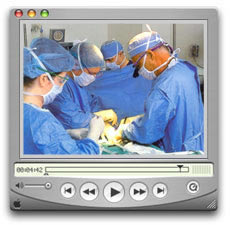
All tubal reversal operations were performed using outpatient mini-laparotomy surgical and anesthetic techniques that minimize tissue injury, blood loss, anesthesia time, postoperative pain, and recovery time. These techniques are shown and described by Dr. Berger in a video called Outpatient Tubal Reversal that has been broadcast on Discovery, The Learning Channel and the CBS Early Show. The tubal reversal procedures included microsurgical tubotubal anastomosis, ampullary salpingostomy, and tubouterine implantation.


Results


Pregnancy Rates by Age


As expected, younger women had higher pregnancy rates than older women. The overall pregnancy rate was 69% and age-specific pregnancy rates ranged from 82% for women under 30 to 41% for women 40 years of age and older.


Pregnancy Outcomes by Age


Age also was associated significantly with the outcome of pregnancy. As age increased, the percentage of pregnancies resulting in births declined. This was a result of more frequent miscarriages with increasing age. Among women under age 35, over half of pregnancies resulted in birth while one third miscarried. The birth rate declined to 40% as the miscarriage rate increased to 45% for women ages 40 and older. Independent of age, the ectopic pregnancy rate was significantly higher (16%) than that found in the general population, which is approximately 2.5%. Whether tubal reversal results in an increased risk of miscarriage is unclear, but it seems unlikely since the miscarriage rate reported in the general population ranges from approximately 20% to 40%, depending on a woman's age and the extent of early pregnancy testing.


Pregnancy Rates by Age and Tubal Ligation Method


Pregnancy rates taking into account both age and tubal ligation method are shown in Table 3. The highest pregnancy rate (87%) was reported by women age 29 or less who underwent reversal of a previous ring or clip method of sterilization. The lowest pregnancy rate (31%) was for women age 40 and older with either a fimbriectomy or unknown method of tubal ligation. Of the two variables, age is more predictive than tubal ligation method of the likelihood of becoming pregnant after reversal surgery.


Comment


Ongoing patient contact is necessary to provide pregnancy and outcome statistics after tubal reversal surgery. At Chapel Hill Tubal Reversal Center, nurses enter information into an electronic patient database at the patient's registration, the surgical procedure, and all post-operative communications between patients and staff. Patients are contacted routinely at 6 and 12 month intervals after their tubal reversal procedure if they have not been in regular contact with the Center's staff. The comprehensive follow-up database at Chapel Hill Tubal Reversal Center is unique. To our knowledge, no other doctor or medical facility maintains such a long term, ongoing follow-up system to determine the outcomes of tubal reversal procedures. This approach to long term follow-up and data collection may serve as a model for other physicians or clinics to document the results of tubal reversal procedures.


About The Author


Dr. Gary Berger is a member of the Board of Directors of INCIID. He is a reproductive surgeon who limits his practice to tubal reparative surgery. Dr. Berger is the Medical Director of Chapel Hill Tubal Reversal Center – the only facility that is exclusively for tubal reversal surgery.